728x90
반응형

Selective Perception refers to the tendency for people to interpret information in a way that aligns with their existing beliefs, expectations, or experiences.
1. What Is Selective Perception?
- People filter information based on prior beliefs.
- The same situation can be interpreted differently by different individuals.
- It shapes how we see, understand, and remember reality.
2. Why It Happens
- Cognitive Efficiency: Filtering reduces mental effort.
- Confirmation Bias Connection: Preference for information that supports existing views.
- Emotional Influence: Feelings affect interpretation.
- Past Experience: Previous experiences shape perception.
3. Examples of Selective Perception
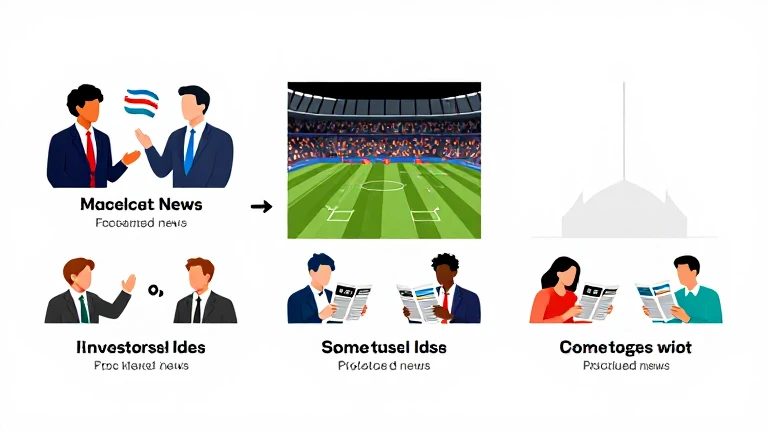
- Investing: Two investors interpret the same news as positive or negative.
- Media Consumption: People interpret the same article differently.
- Sports: Fans judge the same play in opposite ways.
- Workplace: Employees perceive feedback differently based on expectations.
4. Risks of Selective Perception
- Distorted Reality: Ignoring important information.
- Poor Decisions: Acting on incomplete understanding.
- Conflict: Different interpretations lead to disagreements.
- Bias Reinforcement: Existing beliefs become stronger over time.
5. How to Reduce Selective Perception
- Seek Diverse Perspectives: Listen to opposing viewpoints.
- Question Assumptions: Challenge your own beliefs.
- Use Objective Data: Focus on facts rather than interpretation.
- Slow Down Judgment: Avoid quick conclusions.
- Practice Critical Thinking: Evaluate information carefully.
Conclusion
Selective Perception shows how people often see the world through the lens of their own beliefs. While this helps simplify complexity, it can also distort reality and limit understanding.
By actively seeking balance and objectivity, individuals can improve decision-making and gain a clearer view of the world.
Category
Cognitive Bias | Psychology | Perception
Tags
#SelectivePerception
#CognitiveBias
#Psychology
#Perception
#CriticalThinking
반응형
'Behavioral Finance' 카테고리의 다른 글
| Selection Bias: When the Sample Misleads the Conclusion (0) | 2026.04.02 |
|---|---|
| Semmelweis Reflex: Rejecting New Ideas Automatically (0) | 2026.04.02 |
| Rhyme-as-Reason Effect: When Rhymes Feel True (0) | 2026.04.01 |
| Recency Illusion: Why Things Suddenly Seem Everywhere (0) | 2026.04.01 |
| Recency Bias: When Recent Events Dominate Our Thinking (0) | 2026.03.31 |


