728x90
반응형
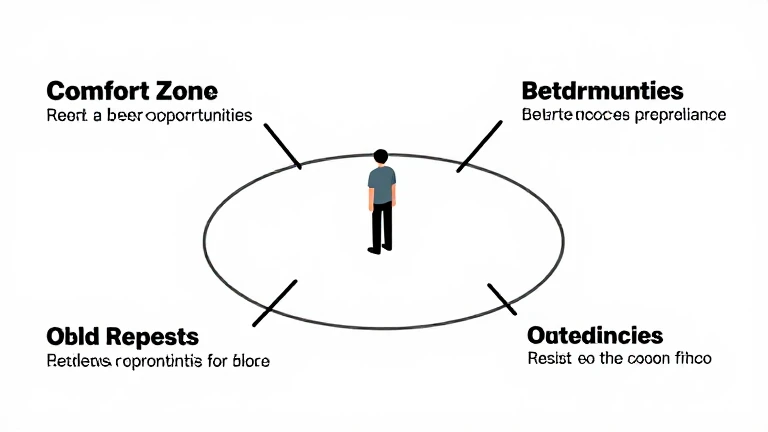
Status Quo Bias refers to the tendency for people to prefer the current state of affairs and resist change, even when better alternatives are available.
1. What Is Status Quo Bias?
- People tend to stick with existing choices or situations.
- Change is often perceived as riskier than staying the same.
- This bias leads to inaction or delayed decision-making.
2. Why It Happens
- Loss Aversion: Fear of losing what we already have.
- Comfort Zone: Familiar situations feel safer.
- Decision Effort: Changing requires effort and evaluation.
- Uncertainty: New options involve unknown risks.
3. Examples of Status Quo Bias
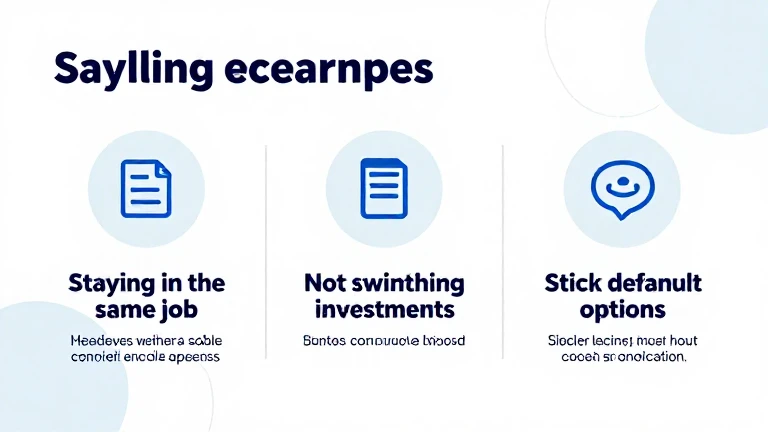
- Career: Staying in an unsatisfying job due to fear of change.
- Investing: Holding onto underperforming assets instead of reallocating.
- Subscriptions: Continuing services simply because they are already set.
- Policy & Defaults: People sticking with default options (e.g., settings, plans).
4. Risks of Status Quo Bias
- Missed Opportunities: Better options are ignored.
- Stagnation: Lack of growth or improvement.
- Inefficiency: Continuing suboptimal choices.
- Regret: Realizing missed chances later.
5. How to Overcome Status Quo Bias
- Evaluate Alternatives: Regularly review other options.
- Focus on Opportunity Cost: Consider what you lose by not changing.
- Start Small: Make gradual changes to reduce risk.
- Set Review Points: Periodically reassess decisions.
- Embrace Calculated Risk: Not all change is negative.
Conclusion
Status Quo Bias shows how people often prefer stability over improvement, even when change could lead to better outcomes.
By consciously evaluating options and accepting reasonable risk, individuals can avoid stagnation and make more effective decisions.
Category
Cognitive Bias | Decision-Making | Behavioral Economics
Tags
#StatusQuoBias
#CognitiveBias
#DecisionMaking
#BehavioralEconomics
#SelfDevelopment
반응형
'Behavioral Finance' 카테고리의 다른 글
| Less-is-Better Effect: When Less Feels More Valuable (0) | 2026.04.04 |
|---|---|
| Stereotyping: Judging Individuals by Group Assumptions (0) | 2026.04.04 |
| Social Desirability Bias: Saying What Sounds Good (0) | 2026.04.03 |
| Social Comparison Bias: Measuring Ourselves Against Others (0) | 2026.04.03 |
| Selection Bias: When the Sample Misleads the Conclusion (0) | 2026.04.02 |


