728x90
반응형
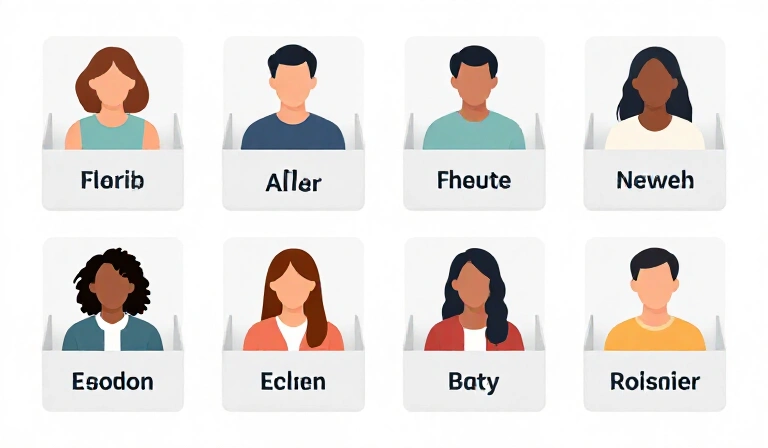
Stereotyping refers to the tendency to assign generalized beliefs or characteristics to individuals based on the group they belong to.
1. What Is Stereotyping?
- People categorize others into groups or types.
- Individuals are judged based on assumptions about that group.
- This often leads to oversimplification and inaccurate perceptions.
2. Why It Happens
- Cognitive Efficiency: Simplifies complex social information.
- Pattern Recognition: The brain looks for patterns and categories.
- Social Learning: Influenced by culture and environment.
- Limited Information: Filling gaps with assumptions.
3. Examples of Stereotyping
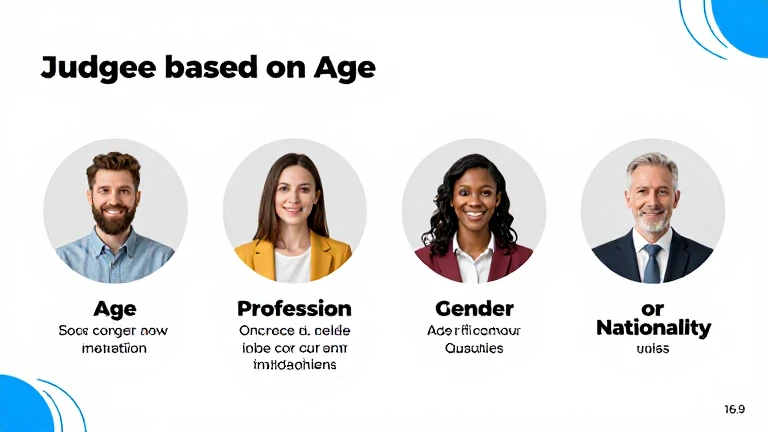
- Workplace: Assuming abilities based on job titles or backgrounds.
- Social Interaction: Judging people based on appearance or age.
- Media Influence: Reinforcing simplified group images.
- Daily Life: Making quick assumptions without full information.
4. Risks of Stereotyping
- Unfair Judgments: Misunderstanding individuals.
- Bias and Discrimination: Unequal treatment.
- Missed Opportunities: Overlooking talent or potential.
- Social Conflict: Increased misunderstanding between groups.
5. How to Reduce Stereotyping
- Focus on Individuals: Evaluate people based on their own traits.
- Seek More Information: Avoid quick assumptions.
- Challenge Beliefs: Question generalized views.
- Increase Exposure: Interact with diverse groups.
- Practice Awareness: Recognize when stereotyping occurs.
Conclusion
Stereotyping shows how people often simplify the world by grouping others, but this can lead to inaccurate and unfair judgments.
By focusing on individual differences and critical thinking, we can develop a more accurate and balanced understanding of others.
Category
Cognitive Bias | Psychology | Social Behavior
Tags
#Stereotyping
#CognitiveBias
#Psychology
#SocialBehavior
#CriticalThinking
반응형
'Behavioral Finance' 카테고리의 다른 글
| Subjective Validation: When Vague Feels Personal (0) | 2026.04.04 |
|---|---|
| Less-is-Better Effect: When Less Feels More Valuable (0) | 2026.04.04 |
| Status Quo Bias: The Preference for Staying the Same (0) | 2026.04.03 |
| Social Desirability Bias: Saying What Sounds Good (0) | 2026.04.03 |
| Social Comparison Bias: Measuring Ourselves Against Others (0) | 2026.04.03 |


