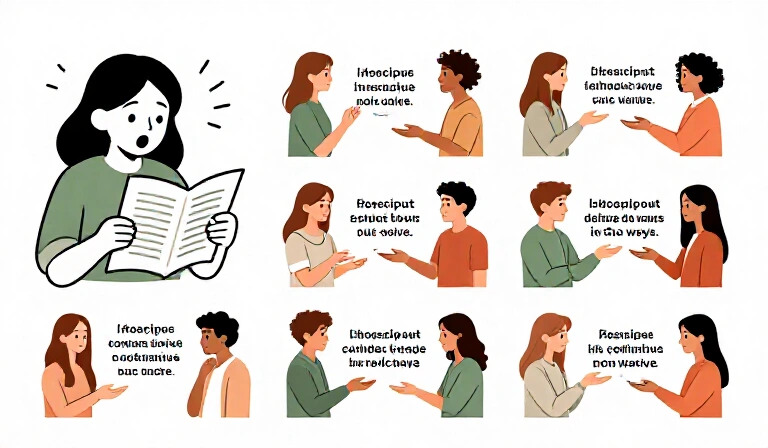
Have you ever read a personality description and felt like it described you perfectly—only to realize it could apply to almost anyone? This psychological phenomenon is known as the Forer Effect.
The Forer Effect explains why people tend to accept vague and general statements as uniquely accurate descriptions of themselves.
1. What Is the Forer Effect?
- People believe general personality descriptions are specifically tailored to them.
- These statements are often broad, flexible, and universally applicable.
- This bias is widely used in horoscopes, personality tests, and fortune-telling.
2. Classic Demonstration
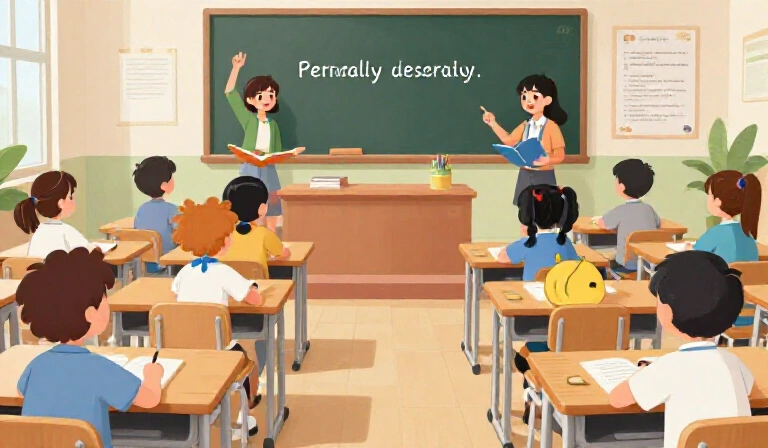
In a famous experiment:
- Participants were given what they thought were personalized personality analyses.
- In reality, everyone received the exact same description.
- Most participants rated the descriptions as highly accurate.
This demonstrates how easily people accept general statements as personal truths.
3. Examples of the Forer Effect
- Horoscopes: “You have great potential, but sometimes doubt yourself.”
- Personality Tests: Broad traits that apply to most people.
- Fortune-Telling: Statements that feel specific but are actually general.
- Online Quizzes: Results that seem personalized but are widely applicable.
4. Why the Forer Effect Happens
Several psychological mechanisms contribute:
- Desire for Validation: People enjoy information that confirms their self-image.
- Selective Interpretation: Individuals focus on parts that feel accurate and ignore the rest.
- Vagueness Advantage: Broad statements allow flexible interpretation.
- Positive Bias: Descriptions are often slightly flattering, making them more acceptable.
5. Risks of the Forer Effect
- Misleading Beliefs: Accepting inaccurate personality descriptions.
- Poor Decisions: Relying on vague advice instead of objective information.
- Manipulation: Marketing, scams, or pseudoscience can exploit this bias.
- Reduced Critical Thinking: Less questioning of generalized claims.
6. How to Avoid the Forer Effect
- Question Specificity: Ask, “Could this apply to almost anyone?”
- Look for Evidence: Seek measurable or verifiable information.
- Compare Across People: Check if others receive similar descriptions.
- Stay Skeptical: Be cautious with overly broad or flattering statements.
- Focus on Data: Use objective assessments rather than vague interpretations.
Conclusion
The Forer Effect shows how easily people can mistake general statements for personal insights. While these descriptions may feel accurate, they often lack real specificity.
By questioning vague claims and seeking objective evidence, individuals can avoid being misled and make more informed decisions.
Category
Cognitive Bias | Behavioral Psychology
Tags
#ForerEffect
#BarnumEffect
#CognitiveBias
#Psychology
#CriticalThinking
#SelfPerception
#BehavioralScience
'Behavioral Finance' 카테고리의 다른 글
| Frequency Illusion: Why You Suddenly See Something Everywhere (0) | 2026.03.20 |
|---|---|
| Framing Effect: How the Way Information Is Presented Changes Decisions (0) | 2026.03.20 |
| Spotlight Effect: Why We Think Everyone Is Watching Us (0) | 2026.03.19 |
| Focusing Effect: Why We Overemphasize One Aspect of Life (0) | 2026.03.19 |
| Functional Fixedness: How We Limit Ourselves by Seeing Objects Only One Way (0) | 2026.03.18 |


