
People often believe they make decisions based on facts and logic. However, the way information is presented can significantly influence choices. This cognitive bias is known as the Framing Effect.
The Framing Effect occurs when different presentations of the same information lead to different decisions, even though the underlying facts are identical.
1. What Is the Framing Effect?
- People respond differently depending on whether information is framed positively or negatively.
- The content stays the same, but the wording or context changes perception.
- This bias affects decision-making in finance, healthcare, marketing, and everyday life.
2. Classic Example
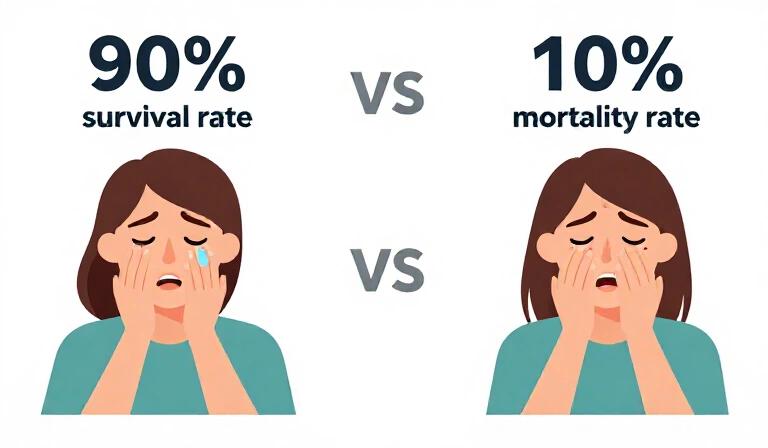
Consider a medical treatment described in two ways:
- “This treatment has a 90% survival rate.”
- “This treatment has a 10% mortality rate.”
Although both statements mean the same thing, people are more likely to choose the treatment when it is framed positively.
3. Examples of the Framing Effect
- Marketing: “Save $50” vs. “Avoid losing $50”
- Investing: “High potential return” vs. “High risk”
- Food Labels: “90% fat-free” vs. “10% fat”
- Negotiation: Presenting offers as gains or losses influences acceptance
- News & Media: Headlines can shape perception by framing facts differently
4. Why the Framing Effect Happens
Several psychological mechanisms contribute:
- Loss Aversion: People are more sensitive to losses than gains.
- Emotional Response: Positive or negative wording triggers different feelings.
- Cognitive Shortcuts: The brain relies on framing to simplify decisions.
- Context Dependence: Meaning changes depending on how information is presented.
5. Risks of the Framing Effect
- Biased Decisions: Choices may depend on wording rather than facts.
- Manipulation: Marketing, politics, and media can influence perception.
- Inconsistent Judgments: The same situation may lead to different decisions.
- Reduced Objectivity: Emotional framing overrides rational evaluation.
6. How to Avoid the Framing Effect
- Reframe the Information: Look at both positive and negative versions.
- Focus on Facts: Identify the actual data behind the wording.
- Compare Alternatives: Evaluate options independently of presentation.
- Slow Down Decisions: Give yourself time to think beyond emotional reactions.
- Ask Critical Questions: “Is this just a different way of saying the same thing?”
Conclusion
The Framing Effect demonstrates how presentation can shape perception and decision-making. Even when the facts remain unchanged, wording can significantly influence choices.
By recognizing this bias and focusing on objective information, individuals can make more rational, balanced decisions.
Category
Cognitive Bias | Behavioral Economics
Tags
#FramingEffect
#CognitiveBias
#DecisionMaking
#BehavioralEconomics
#LossAversion
#Psychology
#MarketingStrategy
'Behavioral Finance' 카테고리의 다른 글
| Hard–Easy Effect: Why We’re Overconfident in Hard Tasks and Underconfident in Easy Ones (0) | 2026.03.21 |
|---|---|
| Frequency Illusion: Why You Suddenly See Something Everywhere (0) | 2026.03.20 |
| Forer Effect: Why Generic Descriptions Feel Personal (0) | 2026.03.19 |
| Spotlight Effect: Why We Think Everyone Is Watching Us (0) | 2026.03.19 |
| Focusing Effect: Why We Overemphasize One Aspect of Life (0) | 2026.03.19 |


