728x90
반응형

Reactive Devaluation refers to the tendency to devalue or dismiss a proposal simply because it comes from an opposing party, regardless of its actual merit.
1. What Is Reactive Devaluation?
- People judge ideas based on who presents them, not just the content.
- Even a good proposal can be rejected if it comes from a disliked or opposing group.
- This bias often appears in conflict, negotiation, and competition.
2. Why It Happens
- Trust Issues: Lack of trust toward opposing parties.
- Ingroup vs. Outgroup Thinking: Favoring one’s own group while rejecting others.
- Assumption of Hidden Motives: Belief that the other side has ulterior intentions.
- Emotional Bias: Negative feelings toward the source influence judgment.
3. Examples of Reactive Devaluation
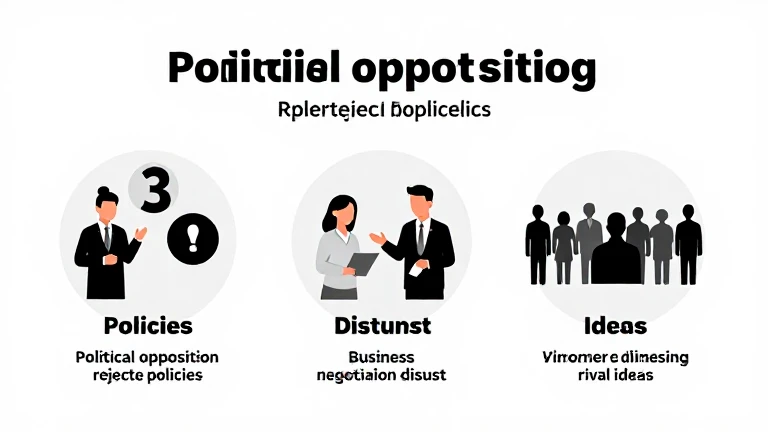
- Politics: Rejecting policies simply because they come from the opposing party.
- Business Negotiations: Dismissing offers from competitors even if beneficial.
- Workplace: Ignoring ideas from rival teams or colleagues.
- International Relations: Countries rejecting proposals due to distrust.
4. Risks of Reactive Devaluation
- Missed Opportunities: Good solutions are overlooked.
- Prolonged Conflict: Disagreements persist unnecessarily.
- Inefficient Decisions: Choices are based on bias, not value.
- Reduced Cooperation: Trust and collaboration break down.
5. How to Overcome Reactive Devaluation
- Focus on Content: Evaluate ideas independently of the source.
- Use Neutral Intermediaries: Third parties can reduce bias.
- Increase Transparency: Clarify intentions behind proposals.
- Build Trust Gradually: Small agreements can lead to larger cooperation.
- Pause Emotional Reactions: Separate feelings from evaluation.
Conclusion
Reactive Devaluation shows how people often reject ideas based on their origin rather than their value. This bias can limit collaboration and block effective solutions.
By focusing on objective evaluation and building trust, individuals and groups can make better, more rational decisions.
Category
Cognitive Bias | Psychology | Decision-Making
Tags
#ReactiveDevaluation
#CognitiveBias
#DecisionMaking
#Negotiation
#Psychology
반응형
'Behavioral Finance' 카테고리의 다른 글
| Recency Illusion: Why Things Suddenly Seem Everywhere (0) | 2026.04.01 |
|---|---|
| Recency Bias: When Recent Events Dominate Our Thinking (0) | 2026.03.31 |
| Psychological Reactance: Why We Resist Being Controlled (0) | 2026.03.31 |
| Pro-Innovation Bias: Assuming New Is Always Better (0) | 2026.03.30 |
| Post-Purchase Rationalization: Justifying Our Choices (0) | 2026.03.30 |


