728x90
반응형

Pro-Innovation Bias refers to the tendency to overvalue new technologies, ideas, or innovations while underestimating their potential risks or downsides.
1. What Is Pro-Innovation Bias?
- People assume that new innovations are inherently beneficial.
- Potential risks, limitations, or unintended consequences are often ignored.
- This leads to overly optimistic adoption of new technologies or trends.
2. Why It Happens
- Attraction to Novelty: Humans are naturally drawn to new and exciting ideas.
- Progress Belief: Society often equates innovation with improvement.
- Fear of Missing Out (FOMO): Pressure to adopt new trends quickly.
- Selective Attention: Focusing on benefits while overlooking risks.
3. Examples of Pro-Innovation Bias
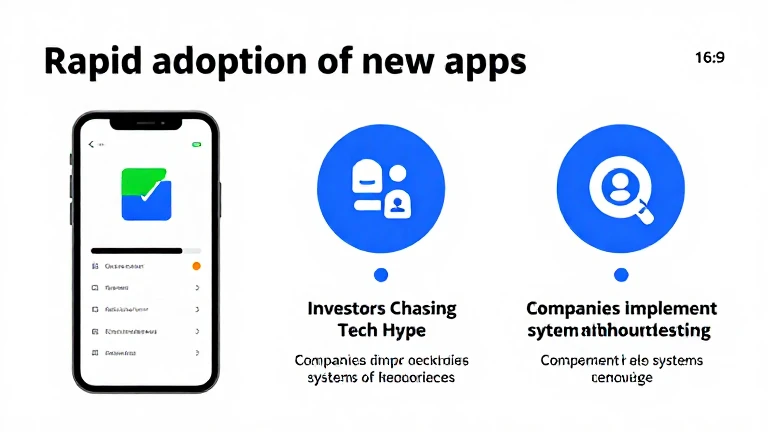
- Technology Adoption: Quickly embracing new apps or devices without understanding risks.
- Investing: Overvaluing new tech trends or hype-driven markets.
- Business Decisions: Companies adopting new systems without proper evaluation.
- Social Trends: Assuming modern solutions are always superior to traditional methods.
4. Risks of Pro-Innovation Bias
- Overhyped Expectations: Believing innovations will solve all problems.
- Ignoring Risks: Overlooking security, ethical, or practical concerns.
- Financial Losses: Investing in unproven or unstable technologies.
- Implementation Failures: Adopting systems that are not ready or suitable.
5. How to Manage Pro-Innovation Bias
- Evaluate Critically: Assess both benefits and risks of new ideas.
- Compare Alternatives: Consider existing solutions before switching.
- Test Before Adoption: Pilot new technologies on a small scale.
- Use Evidence: Look for data and proven results.
- Balance Innovation and Stability: Combine new ideas with reliable methods.
Conclusion
Pro-Innovation Bias shows how people often assume that newer automatically means better. While innovation drives progress, blind acceptance can lead to poor decisions and overlooked risks.
By combining curiosity with critical thinking, individuals and organizations can adopt innovation more wisely and effectively.
Category
Cognitive Bias | Technology | Decision-Making
Tags
#ProInnovationBias
#CognitiveBias
#Technology
#DecisionMaking
#BehavioralEconomics
반응형
'Behavioral Finance' 카테고리의 다른 글
| Reactive Devaluation: Why We Distrust Opposing Ideas (1) | 2026.03.31 |
|---|---|
| Psychological Reactance: Why We Resist Being Controlled (0) | 2026.03.31 |
| Post-Purchase Rationalization: Justifying Our Choices (0) | 2026.03.30 |
| Planning Fallacy: Why We Underestimate Time and Effort (0) | 2026.03.29 |
| Pessimism Bias: Expecting the Worst (0) | 2026.03.29 |


