728x90
반응형
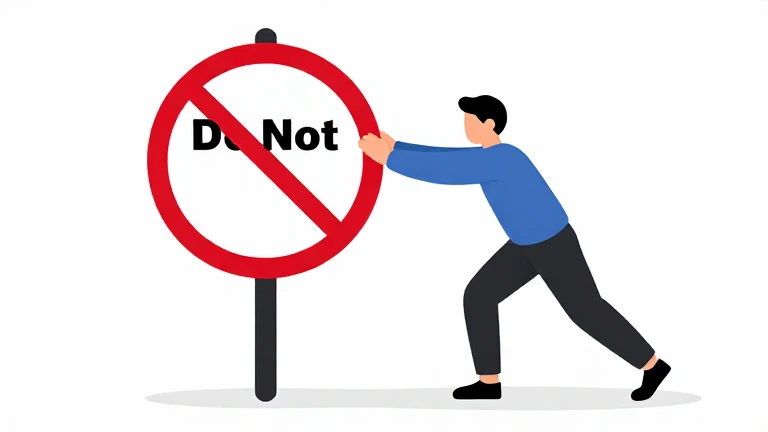
Psychological Reactance refers to the tendency for people to resist or push back when they feel their freedom of choice is being restricted.
1. What Is Psychological Reactance?
- When people perceive a threat to their freedom, they experience motivation to restore it.
- This often leads to doing the opposite of what is being suggested or demanded.
- The stronger the restriction, the stronger the reaction can be.
2. Why It Happens
- Desire for Autonomy: People want control over their own decisions.
- Perceived Threat: Restrictions feel like a loss of freedom.
- Identity Protection: Choices are linked to personal identity.
- Emotional Response: Anger or frustration can trigger resistance.
3. Examples of Psychological Reactance

- Parenting: Children do the opposite of what they are told.
- Marketing: Consumers resist aggressive or forceful advertising.
- Workplace: Employees push back against strict control or micromanagement.
- Public Policy: People resist rules or regulations they perceive as too restrictive.
4. Risks of Psychological Reactance
- Oppositional Behavior: Acting against beneficial advice.
- Conflict: Increased tension in relationships or organizations.
- Ineffective Communication: Messages fail due to resistance.
- Poor Decisions: Rejecting good options simply because they are imposed.
5. How to Reduce Psychological Reactance
- Offer Choices: Provide options instead of commands.
- Use Suggestive Language: Avoid forceful or controlling tones.
- Explain Reasons: Help others understand the purpose behind requests.
- Respect Autonomy: Allow people to feel in control of decisions.
- Frame Positively: Encourage rather than restrict.
Conclusion
Psychological Reactance shows how people naturally resist threats to their freedom, even when the restriction is intended to help.
By respecting autonomy and communicating effectively, it is possible to reduce resistance and encourage more cooperative and thoughtful decisions.
Category
Cognitive Bias | Psychology | Communication
Tags
#PsychologicalReactance
#CognitiveBias
#Psychology
#Communication
#BehavioralScience
반응형
'Behavioral Finance' 카테고리의 다른 글
| Recency Bias: When Recent Events Dominate Our Thinking (0) | 2026.03.31 |
|---|---|
| Reactive Devaluation: Why We Distrust Opposing Ideas (1) | 2026.03.31 |
| Pro-Innovation Bias: Assuming New Is Always Better (0) | 2026.03.30 |
| Post-Purchase Rationalization: Justifying Our Choices (0) | 2026.03.30 |
| Planning Fallacy: Why We Underestimate Time and Effort (0) | 2026.03.29 |


