728x90
반응형
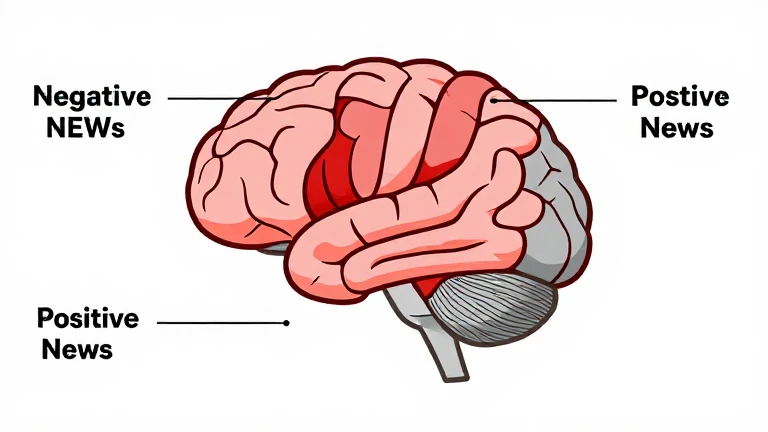
Negativity Bias refers to the psychological tendency where negative events, information, or emotions have a greater impact on our thoughts and behavior than positive ones of equal intensity.
1. What Is Negativity Bias?
- Humans naturally pay more attention to threats, risks, and negative experiences.
- This bias is an evolutionary mechanism: focusing on danger improved survival.
- Negative events are remembered more vividly and for longer than positive ones.
2. Why It Happens
- Survival Instinct: Noticing threats helped early humans avoid harm.
- Emotional Intensity: Negative experiences trigger stronger emotional responses.
- Cognitive Processing: Brains process bad news faster than good news.
- Memory Retention: Negative memories are easier to recall and influence future decisions.
3. Examples of Negativity Bias

- News Consumption: People pay more attention to negative headlines than positive stories.
- Workplace Feedback: Criticism often impacts motivation more than praise.
- Social Interactions: Conflicts or negative comments weigh heavier than compliments.
- Investing & Finance: Losses feel more painful than equivalent gains feel pleasurable.
- Everyday Life: Small mistakes or mishaps are remembered more than successes.
4. Risks of Negativity Bias
- Distorted Perception: Viewing the world as worse than it is.
- Overreacting: Responding disproportionately to minor setbacks.
- Decision Paralysis: Focusing on potential losses can prevent action.
- Relationship Strain: Holding onto negative interactions can harm social bonds.
5. How to Manage Negativity Bias
- Awareness: Simply recognizing the bias reduces its impact.
- Balanced Reflection: Record positive events to counteract negative focus.
- Mindfulness: Observe emotions without letting them dominate decisions.
- Reframe Situations: Actively consider positive aspects of challenging events.
- Limit Negative Input: Reduce exposure to overly negative media or conversations.
Conclusion
Negativity Bias highlights how bad experiences weigh more heavily on our minds than good ones. While this bias was crucial for survival, in modern life it can distort perception and decision-making.
By acknowledging the bias and actively balancing attention, individuals can cultivate a more realistic and positive perspective without ignoring risks.
Category
Cognitive Bias | Psychology | Behavioral Science
Tags
#NegativityBias
#CognitiveBias
#BehavioralPsychology
#Mindset
#EmotionalAwareness
반응형
'Behavioral Finance' 카테고리의 다른 글
| Why Smart Investors Fail to See the Crash: Understanding Normalcy Bias (0) | 2026.03.26 |
|---|---|
| Neglect of Probability: Ignoring the Odds (0) | 2026.03.26 |
| Money Illusion: When Nominal Value Misleads You (0) | 2026.03.25 |
| Mere Exposure Effect: The More You See, The More You Like (0) | 2026.03.25 |
| Ludic Fallacy: Overestimating What You Can Predict (0) | 2026.03.25 |


