
People often believe that money is purely rational and that its value alone determines how it is used. However, behavioral economics shows that the form in which money is presented can influence spending behavior. One cognitive bias that explains this phenomenon is the Denomination Effect.
The Denomination Effect refers to the tendency for people to spend smaller denominations of money more easily than larger ones, even when the total value is the same.
In other words, individuals may hesitate to break a large bill while spending several smaller bills more freely.
1. What Is the Denomination Effect?
The Denomination Effect occurs when people treat money differently depending on the size or form of its denomination.
For example, someone might be reluctant to spend a single $100 bill but feel more comfortable spending five $20 bills—even though the total amount is identical.
The psychological difference between these denominations can influence how people manage their money.
2. Why the Denomination Effect Happens
Several psychological factors contribute to this behavior:
- Mental Accounting: People mentally categorize money and treat different amounts or forms differently.
- Perceived Value of Large Units: Large denominations often feel more valuable or significant, even when the numerical value is the same.
- Spending Friction: Breaking a large bill can create a psychological barrier that discourages spending.
3. Examples of the Denomination Effect
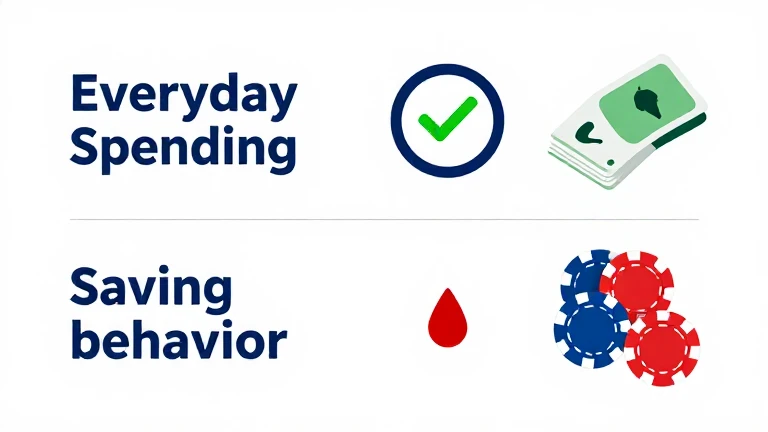
- Everyday Spending: People carrying a large banknote may avoid using it for small purchases and instead pay with smaller bills or coins.
- Cash vs. Digital Payments: Digital payments reduce the psychological barrier created by large denominations, leading to easier spending.
- Saving Behavior: Some individuals intentionally keep larger bills in their wallets to discourage unnecessary spending.
- Gambling and Entertainment: Chips replace actual money in casinos, reducing the psychological impact of denominations and encouraging freer spending.
4. Implications for Financial Behavior
The Denomination Effect can influence personal finance and spending habits in several ways:
- Spending Control: Using larger denominations can help control impulsive spending.
- Payment Design: Businesses can structure payment systems to reduce spending friction.
- Consumer Behavior: How money is presented—cash, cards, or digital balances—can significantly affect purchasing decisions.
5. How to Manage the Denomination Effect
Understanding this bias can help individuals make more intentional financial decisions:
- Track actual spending: Focus on the total amount spent rather than the form of payment.
- Use budgeting tools: Monitoring expenses reduces unconscious spending.
- Be mindful of digital payments: Electronic transactions may feel less tangible, making overspending easier.
- Set clear financial limits: Establish spending boundaries to maintain control regardless of denomination.
Conclusion
The Denomination Effect illustrates how the physical or numerical form of money can influence spending behavior. Even though money has the same value regardless of denomination, psychological perceptions can change how people use it.
By recognizing this bias, individuals can develop better financial awareness and more deliberate spending habits.
Category
Behavioral Economics | Personal Finance
Tags
#CognitiveBias
#DenominationEffect
#SpendingBehavior
#BehavioralEconomics
#FinancialAwareness
#MoneyPsychology
#DecisionMaking
#MentalAccounting
#ConsumerBehavior
#CriticalThinking
'Behavioral Finance' 카테고리의 다른 글
| Empathy Gap: Why It’s Hard to Understand Others’ Emotional States (0) | 2026.03.16 |
|---|---|
| Duration Neglect: Why We Ignore How Long an Experience Lasts (0) | 2026.03.16 |
| Decoy Effect: How a Third Option Influences Our Choices (0) | 2026.03.15 |
| Curse of Knowledge: When What We Know Makes Communication Harder (0) | 2026.03.15 |
| Contrast Effect: How Comparisons Influence Our Perception (0) | 2026.03.15 |


