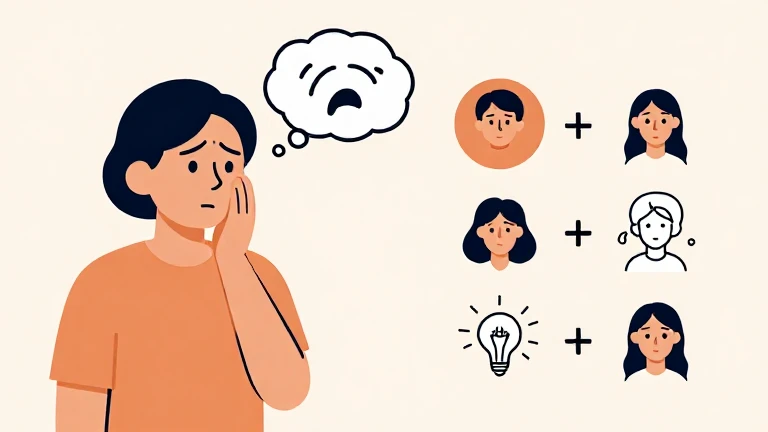
Human decisions and judgments are often influenced by emotional states. However, people frequently struggle to accurately understand how emotions—either their own or others’—affect behavior. This psychological phenomenon is known as Empathy Gap.
The Empathy Gap refers to the difficulty people have in predicting or understanding the influence of emotions and physical states when they are not currently experiencing them.
- Cold-to-hot gap: Calm state predicting behavior in a highly emotional state.
- Hot-to-cold gap: Strong emotion preventing imagining calm thinking.
1. What Is the Empathy Gap?
The Empathy Gap occurs when people misjudge how emotions, desires, or physical conditions influence behavior.
- Emotional states drastically change perception and decision-making.
- Misjudgments are common because individuals underestimate the influence of emotions when they are not feeling them or cannot imagine calmness when highly emotional.
2. Examples of the Empathy Gap
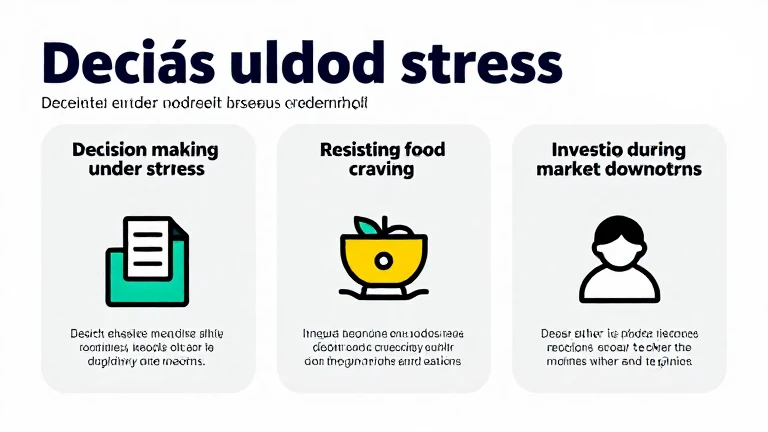
- Decision-Making Under Stress: Calm individuals assume rational decisions, but stress can strongly influence choices.
- Health and Lifestyle Choices: Underestimating how hunger or cravings affect future behavior.
- Financial Decisions: Panic selling during market drops despite prior belief in staying calm.
- Understanding Others: Misjudging emotional reactions of others without experiencing similar feelings.
3. Why the Empathy Gap Happens
Several psychological factors contribute:
- State-Dependent Thinking: Current emotions or physical states shape perceptions.
- Limited Perspective-Taking: Hard to imagine feelings not currently experienced.
- Emotional Intensity: Strong emotions narrow attention and reduce consideration of alternatives.
4. Consequences of the Empathy Gap
- Poor Future Planning: Underestimating emotion-driven behavior.
- Misjudging Others: Unfair evaluations or misunderstandings.
- Impulsive Decisions: Actions may conflict with long-term goals when emotions dominate.
5. How to Reduce the Empathy Gap
- Plan during calm moments: Make important decisions when emotions are stable.
- Consider past experiences: Reflect on previous emotional reactions.
- Create decision rules: Predefined strategies can prevent impulsive behavior.
- Practice perspective-taking: Actively imagine how others feel in different situations.
Conclusion
The Empathy Gap highlights how emotional states can strongly influence judgment, behavior, and decision-making. People often underestimate emotions’ power when calm and struggle to think clearly when emotional.
By recognizing this bias and planning in advance, individuals can make more thoughtful and balanced choices in emotionally challenging situations.
Category
Behavioral Economics | Cognitive Bias
Tags
#EmpathyGap
#CognitiveBias
#EmotionalDecisionMaking
#BehavioralPsychology
#PerspectiveTaking
#StressManagement
#InvestmentPsychology
#HealthBehavior
#ImpulseControl
#DecisionPlanning
'Behavioral Finance' 카테고리의 다른 글
| Essentialism: Why We Assume Things Have an “Essence” (0) | 2026.03.17 |
|---|---|
| Endowment Effect: Why We Value What We Own (0) | 2026.03.17 |
| Duration Neglect: Why We Ignore How Long an Experience Lasts (0) | 2026.03.16 |
| Denomination Effect: How the Size of Money Units Influences Spending (0) | 2026.03.16 |
| Decoy Effect: How a Third Option Influences Our Choices (0) | 2026.03.15 |


