[IMAGE PROMPT: Illustration showing a person holding a coffee mug with a happy expression, and the same mug being offered to someone else who looks neutral, showing difference in perceived value due to ownership, clean infographic style, 16:9]
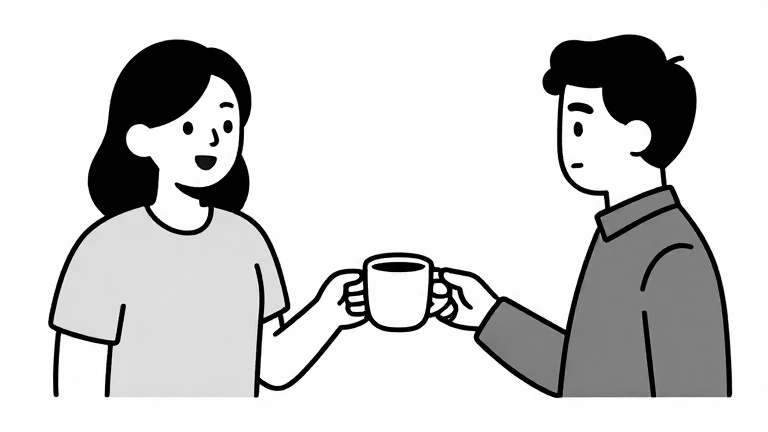
People often overvalue things simply because they own them. This psychological phenomenon is known as the Endowment Effect.
The Endowment Effect refers to the tendency for individuals to assign more value to objects they own than to identical objects they do not own. This bias can influence purchasing, trading, and investment decisions.
1. What Is the Endowment Effect?
- Ownership increases perceived value.
- People demand more to give up an item than they would pay to acquire it.
- This bias shows how ownership shapes judgment beyond rational evaluation.
2. Classic Demonstration
[IMAGE PROMPT: Illustration of the classic mug experiment: half of participants given a mug and asked their selling price, the other half asked their buying price without owning it; visually shows selling price higher than buying price, infographic style, 16:9]
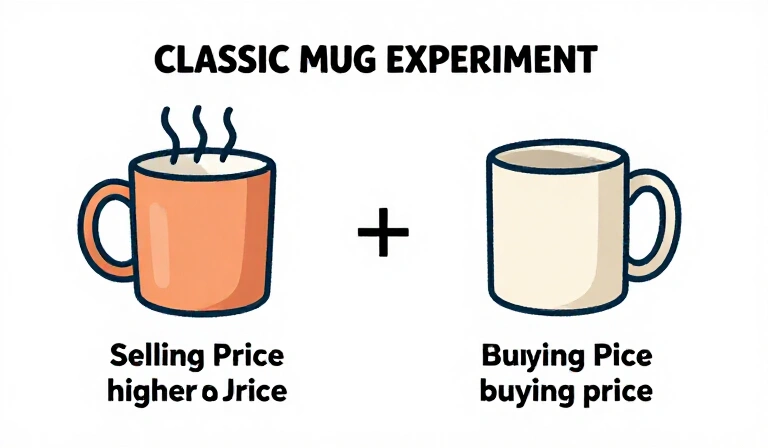
A famous study by Richard Thaler demonstrated this effect:
- Participants given a coffee mug were asked the minimum price to sell it.
- Others who did not own the mug were asked the maximum price they would pay.
- Sellers consistently valued the mug higher than buyers did, showing ownership inflates perceived value.
3. Everyday Examples of the Endowment Effect
- Consumer Purchases: People overvalue items they bought and are reluctant to resell.
- Real Estate: Homeowners often price their houses higher than market value due to emotional attachment.
- Investing: Investors may hold stocks too long because they “own” them, even when market signals suggest selling.
- Digital Goods: Gamers value in-game items more once they are in their inventory.
4. Why the Endowment Effect Happens
Several psychological factors contribute:
- Loss Aversion: Giving up an owned item feels like a loss, which is psychologically stronger than equivalent gains.
- Attachment and Identity: Owned items may feel connected to self-image or personal identity.
- Cognitive Bias: Ownership creates an automatic perception of added value.
5. How to Reduce the Endowment Effect
- Objective Comparison: Compare owned items to market value or alternatives.
- Delay Decisions: Avoid immediate emotional attachment when selling or trading.
- Mindful Detachment: Consider the utility of the item without ownership bias.
- Seek External Opinions: Ask others for unbiased valuation.
Conclusion
The Endowment Effect demonstrates how ownership can distort value perception. People tend to overvalue what they own, leading to overpricing, reluctance to sell, or holding decisions in investing that are not optimal.
By recognizing this bias, individuals can make more rational decisions about purchasing, selling, or trading items.
Category
Behavioral Economics | Cognitive Bias
Tags
#EndowmentEffect
#CognitiveBias
#LossAversion
#ConsumerBehavior
#InvestmentPsychology
#DecisionMaking
#OwnershipBias
#RationalChoice
#BehavioralFinance
#MindfulDecision
'Behavioral Finance' 카테고리의 다른 글
| Exaggerated Expectations: When We Overestimate Outcomes (0) | 2026.03.17 |
|---|---|
| Essentialism: Why We Assume Things Have an “Essence” (0) | 2026.03.17 |
| Empathy Gap: Why It’s Hard to Understand Others’ Emotional States (0) | 2026.03.16 |
| Duration Neglect: Why We Ignore How Long an Experience Lasts (0) | 2026.03.16 |
| Denomination Effect: How the Size of Money Units Influences Spending (0) | 2026.03.16 |


