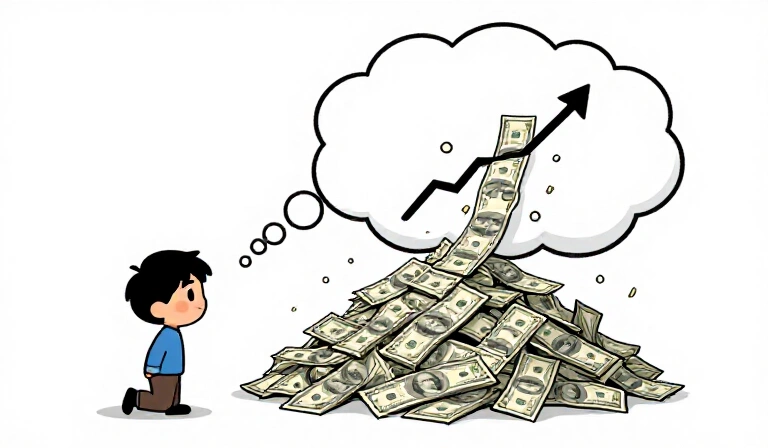
Humans are naturally optimistic about the future. Sometimes, this optimism leads us to overestimate outcomes, expecting far more than is realistically possible. This cognitive bias is known as Exaggerated Expectations.
The Exaggerated Expectations bias occurs when people anticipate results that are far larger or more positive than what is likely to happen. This affects financial decisions, project planning, career goals, and daily life choices.
1. What Are Exaggerated Expectations?
- People often believe their actions will lead to better outcomes than historical data or probabilities suggest.
- This bias can cause overconfidence in planning, investment, or personal decisions.
- Expectations are inflated by emotions, desire, or selective attention to positive information.
2. Classic Demonstration

Psychology experiments show that:
- People overestimate their chances of success in tasks, games, or investments.
- For example, new entrepreneurs may expect instant popularity and profits, ignoring challenges.
- This mismatch between expectation and reality can lead to disappointment or risky decisions.
3. Everyday Examples of Exaggerated Expectations
- Investing: Investors may assume a stock will double quickly, underestimating market volatility.
- Personal Goals: Individuals may overplan weight loss, career growth, or learning achievements.
- Projects & Deadlines: Teams often expect projects to finish faster or with fewer obstacles than realistically possible.
- Gambling & Games: People overestimate the likelihood of winning lotteries or bets.
4. Why Exaggerated Expectations Happen
Several psychological mechanisms contribute:
- Optimism Bias: Humans naturally expect positive outcomes.
- Availability Heuristic: Success stories are memorable and seem more common than they are.
- Desire for Control: Overconfidence in personal ability inflates expected results.
- Social Comparison: Seeing others succeed can make us overestimate our own chances.
5. How to Reduce Exaggerated Expectations
- Check Historical Data: Base expectations on actual past performance or probabilities.
- Seek Objective Feedback: Discuss plans with others who may provide realistic perspectives.
- Break Goals Into Steps: Set smaller, achievable milestones rather than imagining idealized outcomes.
- Plan for Risks: Consider potential obstacles and how to manage them.
- Reflect on Past Outcomes: Learn from previous overestimations to calibrate future expectations.
Conclusion
Exaggerated Expectations show how optimism and desire can distort our judgment of likely outcomes. While hope and ambition are important, relying solely on inflated expectations can lead to overcommitment, disappointment, or financial loss.
By grounding plans in reality, assessing risks, and learning from historical data, individuals can pursue goals effectively without falling prey to overinflated optimism.
Category
Cognitive Bias | Behavioral Economics
Tags
#ExaggeratedExpectations
#CognitiveBias
#OptimismBias
#DecisionMaking
#FinancialBehavior
#BehavioralPsychology
#PlanningBias
#Overconfidence
'Behavioral Finance' 카테고리의 다른 글
| False Consensus Effect: Why We Overestimate How Much Others Agree with Us (0) | 2026.03.18 |
|---|---|
| Experimenter / Expectation Bias: How Our Expectations Shape Outcomes (0) | 2026.03.18 |
| Essentialism: Why We Assume Things Have an “Essence” (0) | 2026.03.17 |
| Endowment Effect: Why We Value What We Own (0) | 2026.03.17 |
| Empathy Gap: Why It’s Hard to Understand Others’ Emotional States (0) | 2026.03.16 |


