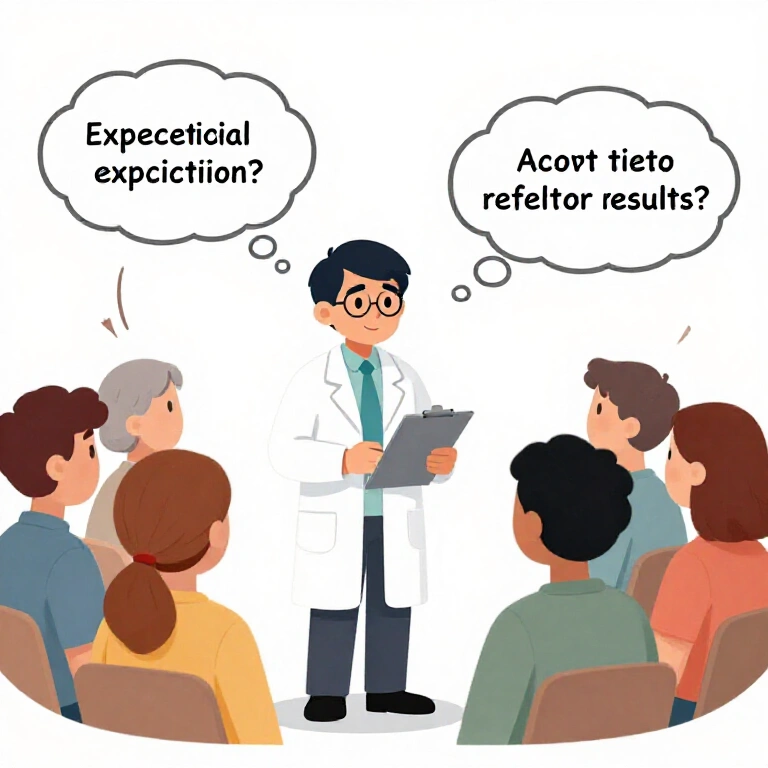
Humans naturally form expectations about outcomes. In research and daily life, these expectations can unintentionally influence results—a phenomenon known as Experimenter Bias or Expectation Bias.
Experimenter / Expectation Bias occurs when a person’s beliefs or expectations affect how they observe, interpret, or record information, often without realizing it. This can affect scientific experiments, education, workplace assessments, and personal interactions.
1. What Is Experimenter / Expectation Bias?
- Researchers, teachers, or evaluators may subconsciously influence outcomes to match their expectations.
- Observers may selectively notice behaviors that confirm what they anticipate, ignoring contradictory evidence.
- Even subtle cues—tone of voice, gestures, or facial expressions—can alter the behavior of participants.
2. Classic Demonstrations

- Clever Hans (early 1900s): A horse appeared to perform arithmetic but was actually responding to subtle, unintentional cues from its handler.
- Rosenthal Effect / Pygmalion Effect: Students performed better in classrooms when teachers expected higher achievement, showing expectation can shape outcomes.
3. Examples of Expectation Bias
- Scientific Research: Researchers may unintentionally influence lab results if they expect a certain outcome.
- Education: Teachers’ beliefs about student abilities can impact grading, encouragement, and attention.
- Workplace Evaluation: Supervisors may interpret ambiguous performance data in ways that align with their expectations.
- Healthcare: Doctors may interpret ambiguous test results or patient behavior to fit anticipated diagnoses.
4. Why Experimenter / Expectation Bias Happens
Several psychological factors contribute:
- Confirmation Bias: Observers notice information that confirms expectations.
- Subtle Behavioral Cues: Tone, gestures, or expressions may unconsciously guide participants.
- Motivation to See Expected Results: Desire for hypotheses to be confirmed can influence interpretations.
- Cognitive Load: Under stress or multitasking, people rely on expectations rather than full objective analysis.
5. How to Reduce Expectation Bias
- Double-Blind Designs: Neither participant nor observer knows the expected outcome.
- Standardized Procedures: Use scripts, automated data collection, or objective measurement tools.
- Multiple Observers: Cross-check results to minimize individual expectations affecting outcomes.
- Awareness & Training: Educate researchers, teachers, and evaluators about potential biases.
- Reflective Practices: Regularly examine how personal beliefs may influence observations.
Conclusion
Experimenter / Expectation Bias illustrates how even subtle expectations can shape observed outcomes. While it is often unintentional, this bias can affect research accuracy, educational fairness, workplace evaluations, and healthcare decisions.
By designing objective procedures, using blind methodologies, and being aware of personal expectations, individuals can minimize this bias and ensure more reliable, fair, and accurate results.
Category
Cognitive Bias | Behavioral Psychology
Tags
#ExperimenterBias
#ExpectationBias
#CognitiveBias
#PygmalionEffect
#RosenthalEffect
#BehavioralScience
#ResearchBias
#ObserverEffect
'Behavioral Finance' 카테고리의 다른 글
| Functional Fixedness: How We Limit Ourselves by Seeing Objects Only One Way (0) | 2026.03.18 |
|---|---|
| False Consensus Effect: Why We Overestimate How Much Others Agree with Us (0) | 2026.03.18 |
| Exaggerated Expectations: When We Overestimate Outcomes (0) | 2026.03.17 |
| Essentialism: Why We Assume Things Have an “Essence” (0) | 2026.03.17 |
| Endowment Effect: Why We Value What We Own (0) | 2026.03.17 |


