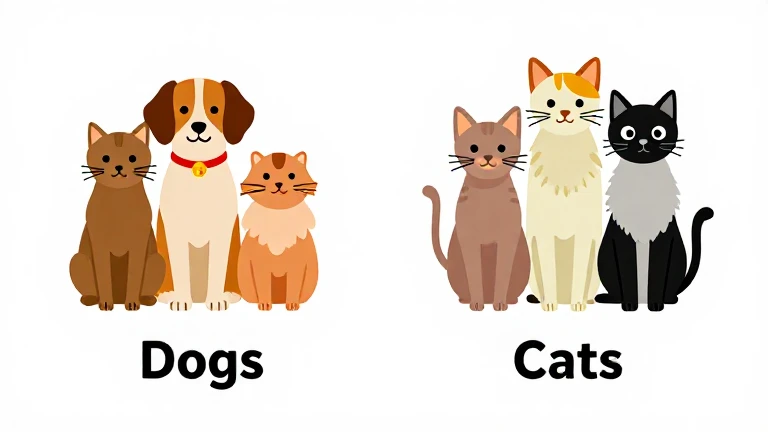
Humans naturally try to categorize and understand the world. Sometimes, this leads to the assumption that categories have an underlying “essence” that defines them. This cognitive bias is known as Essentialism.
The Essentialism bias occurs when people believe that members of a category share an inherent quality, even when it’s not observable or scientifically verified. This can affect how we perceive people, objects, or ideas.
1. What Is Essentialism?
- People assume categories have an intrinsic nature that makes members fundamentally similar.
- Judgments are influenced more by perceived essence than by actual measurable traits.
- This bias can affect social perception, stereotypes, and decision-making.
2. Classic Demonstration
[IMAGE PROMPT: Illustration of a child shown two identical objects, one labeled “from Mommy” and the other “from Stranger,” child chooses the “from Mommy” item as more valuable, highlighting essentialist thinking, playful style, 16:9]

Psychologists have shown that even children demonstrate essentialist thinking:
- Children assume objects or people carry an essence based on origin or category.
- For example, a child may prefer a doll from a “special” owner, even if identical, thinking it has unique qualities.
- This shows how essentialism affects perceived value and identity.
3. Everyday Examples of Essentialism
- Social Stereotypes: People often assume traits based on group membership, e.g., “all engineers are logical.”
- Brand Loyalty: Consumers may believe products from a particular brand are inherently superior.
- Education & Learning: Students may be labeled as “gifted” or “average,” influencing expectations and opportunities.
- Biological Essentialism: People assume characteristics like intelligence or behavior are fixed by genetics.
4. Why Essentialism Happens
Several psychological mechanisms contribute:
- Cognitive Simplification: Assuming an essence reduces the mental load of evaluating each individual separately.
- Pattern-Seeking: Humans look for stability and consistency in the world.
- Identity and Belonging: Assigning essence to groups or objects helps form social or personal identity.
- Illusion of Explanation: Believing in essence gives the feeling of understanding complex phenomena.
5. How to Reduce Essentialist Thinking
- Focus on Evidence: Base judgments on observable behaviors or measurable traits rather than assumed essence.
- Encourage Individual Assessment: Treat people and objects as unique rather than assuming group-based traits.
- Question Labels: Reflect on whether category labels oversimplify reality.
- Learn Variability: Understand that diversity exists within any group or category.
Conclusion
Essentialism shows how people often overestimate inherent qualities and assume categories have fixed essences. While it can simplify thinking, it can also lead to stereotyping, misjudgment, and missed opportunities to see true variability.
By focusing on observable traits and questioning assumptions, we can think more flexibly and make more accurate assessments.
Category
Cognitive Bias | Human Psychology
Tags
#Essentialism
#CognitiveBias
#Stereotypes
#HumanPerception
#JudgmentBias
#CriticalThinking
#SocialPsychology
#BehavioralScience
#DecisionMaking
#CategoryThinking
'Behavioral Finance' 카테고리의 다른 글
| Experimenter / Expectation Bias: How Our Expectations Shape Outcomes (0) | 2026.03.18 |
|---|---|
| Exaggerated Expectations: When We Overestimate Outcomes (0) | 2026.03.17 |
| Endowment Effect: Why We Value What We Own (0) | 2026.03.17 |
| Empathy Gap: Why It’s Hard to Understand Others’ Emotional States (0) | 2026.03.16 |
| Duration Neglect: Why We Ignore How Long an Experience Lasts (0) | 2026.03.16 |


