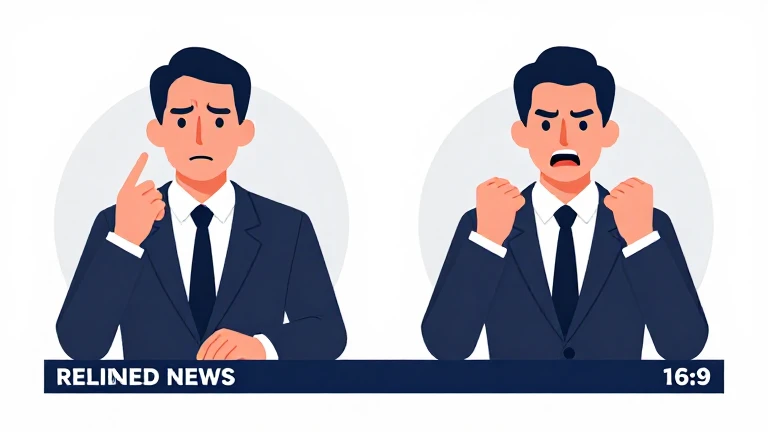
People often believe that media coverage is unfairly biased—especially against their own views. Interestingly, individuals with opposing opinions can watch the same content and both feel it is biased against them. This phenomenon is known as the Hostile Media Effect.
1. What Is the Hostile Media Effect?
- People perceive neutral or balanced media as biased against their position.
- Stronger opinions often lead to stronger perceptions of bias.
- The same information can be interpreted very differently depending on beliefs.
2. How It Works
- Two groups with opposing views watch the same news.
- Each group believes the coverage favors the other side.
- Neutral reporting is perceived as hostile or unfair.
3. Examples of the Hostile Media Effect
- Politics:
Supporters of different parties both believe media coverage is biased against them. - Social Issues:
Debates on controversial topics lead each side to view media as unfair. - Corporate News:
Consumers and companies may interpret the same report differently. - Investing & Economy:
Market news may feel biased depending on whether it supports one’s expectations.
4. Why the Hostile Media Effect Happens
Several psychological factors contribute:
- Confirmation Bias: People expect information to support their beliefs.
- Selective Interpretation: Neutral details are interpreted as negative.
- Strong Attitudes: The stronger the belief, the stronger the bias perception.
- In-Group vs Out-Group Thinking: People assume opposing sides are favored.
5. Risks of the Hostile Media Effect
- Increased Polarization: Groups become more divided.
- Distrust in Media: People lose confidence in information sources.
- Misunderstanding Reality: Objective facts may be rejected.
- Reinforced Beliefs: Existing opinions become stronger.
6. How to Reduce the Hostile Media Effect
- Consider Multiple Sources: Compare different perspectives.
- Separate Facts from Interpretation: Focus on verifiable information.
- Be Aware of Bias: Recognize your own perspective influences perception.
- Engage with Opposing Views: Try to understand alternative interpretations.
- Slow Down Reactions: Avoid immediate emotional judgments.
Conclusion
The Hostile Media Effect shows how our beliefs shape how we interpret information. Even neutral content can appear biased when filtered through strong opinions.
By recognizing this bias and actively seeking balanced perspectives, individuals can develop a more objective understanding of information.
Category
Cognitive Bias | Media Psychology
Tags
#HostileMediaEffect
#CognitiveBias
#MediaBias
#Psychology
#ConfirmationBias
#CriticalThinking
#InformationProcessing


