728x90
반응형
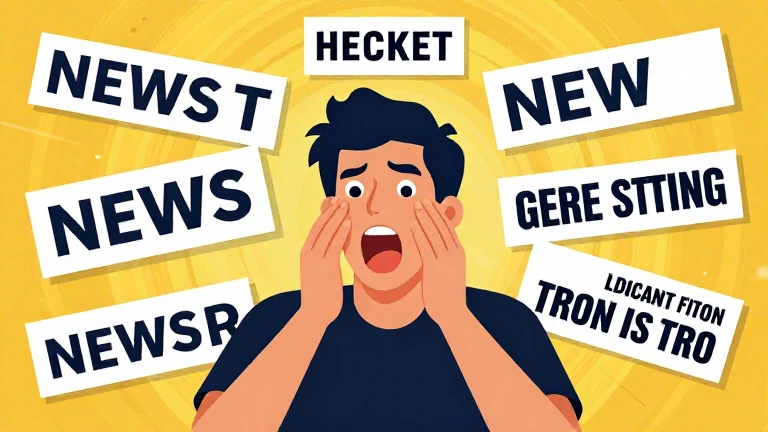
Humans are naturally drawn to emotionally charged, shocking, or extreme information. This tendency is called Shock Bias.
1. What Is Shock Bias?
- The tendency to pay more attention to dramatic, extreme, or sensational events.
- People often overestimate the frequency or importance of shocking occurrences.
- This bias can influence perception in news consumption, social media, and daily judgments.
2. How It Works
- Emotionally intense events grab attention more than ordinary events.
- Dramatic information is more memorable.
- This creates a distorted view of reality, making rare events seem common or threatening.
3. Examples of Shock Bias
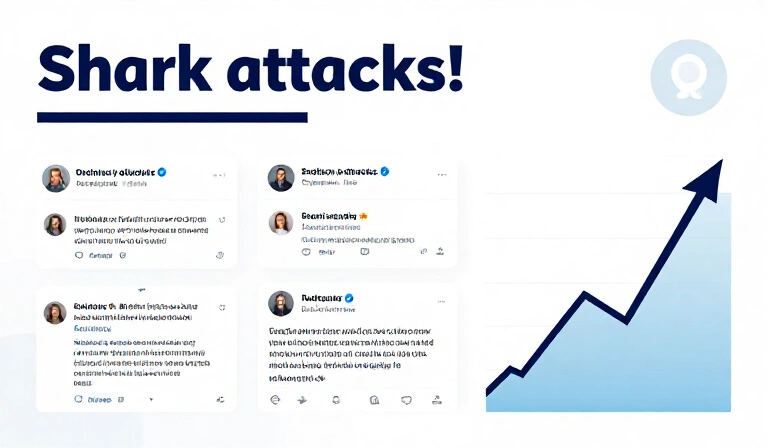
- News Media: Sensational headlines attract more clicks even if the events are rare.
- Social Media: Viral posts often highlight extreme incidents.
- Health Scares: People overestimate rare medical risks after seeing shocking cases.
- Investing: Dramatic market crashes are remembered more than slow trends.
4. Why Shock Bias Happens
- Emotional Salience: Our brains prioritize information that triggers strong feelings.
- Availability Heuristic: Shocking events are easier to recall, leading to overestimation.
- Media Amplification: News and social platforms emphasize sensational content.
- Evolutionary Adaptation: Detecting threats quickly was critical for survival.
5. Risks of Shock Bias
- Distorted Risk Perception: Rare dangers seem more likely than they are.
- Overreactions: Making decisions based on extreme events rather than typical patterns.
- Misinformation Spread: Sensational but inaccurate information spreads faster.
- Emotional Fatigue: Constant exposure to shocking content can increase stress or anxiety.
6. How to Reduce Shock Bias
- Check Statistics: Look at actual data rather than memorable headlines.
- Diversify Sources: Don’t rely on sensational media alone.
- Reflect Before Reacting: Pause before making decisions based on shocking information.
- Focus on Patterns: Consider long-term trends and typical occurrences.
- Limit Exposure: Reduce time spent on content designed to provoke emotional reactions.
Conclusion
Shock Bias explains why dramatic and sensational events capture attention disproportionately and shape perception.
By evaluating information carefully and focusing on objective data, individuals can avoid overestimating risks and make more rational decisions.
Category
Cognitive Bias | Media Psychology
Tags
#ShockBias
#CognitiveBias
#MediaInfluence
#DecisionMaking
#Psychology
반응형
'Behavioral Finance' 카테고리의 다른 글
| Information Bias: When More Isn’t Always Better (0) | 2026.03.23 |
|---|---|
| Illusory Correlation: Seeing Patterns That Aren’t There (0) | 2026.03.23 |
| Just-World Hypothesis: Why We Believe the World Is Fair (0) | 2026.03.22 |
| Illusion of Control: Why We Believe We Can Influence the Uncontrollable (0) | 2026.03.22 |
| Reactive Devaluation: Why We Undervalue Ideas from the “Other Side” (0) | 2026.03.22 |


