728x90
반응형
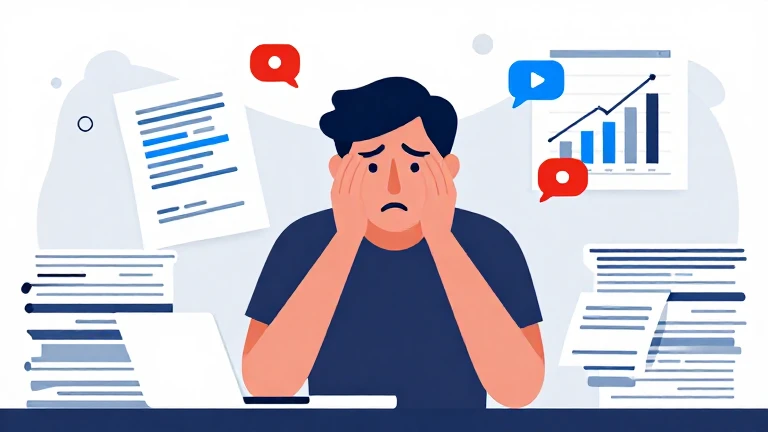
Humans often believe that having more information always leads to better decisions. However, this isn’t always true. The tendency to seek excessive information even when it doesn’t improve outcomes is called Information Bias.
1. What Is Information Bias?
- The tendency to overvalue information and assume it improves decision quality.
- People often gather more data than needed, even if it doesn’t change the decision.
- This bias can appear in business, healthcare, investing, and daily life.
2. How Information Bias Works
- Illusion of Control: More information makes people feel confident, even if irrelevant.
- Overthinking: Gathering excessive data can slow decisions without improving accuracy.
- Preference for Certainty: Humans dislike ambiguity and try to reduce it with more information.
3. Examples of Information Bias
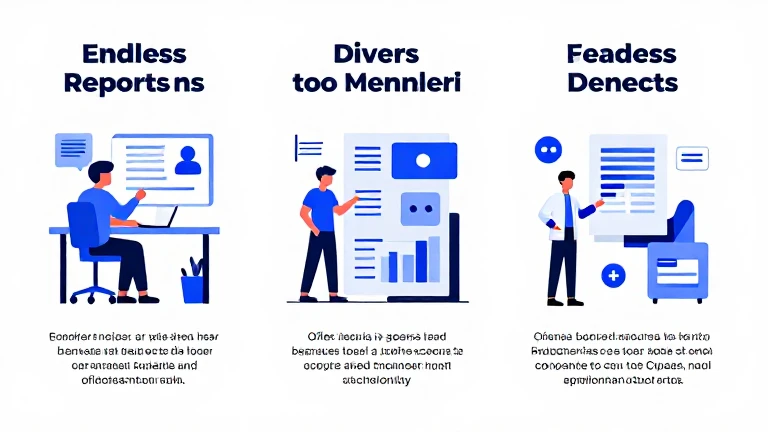
- Medical Decisions: Doctors ordering unnecessary tests despite enough data to make a diagnosis.
- Business Strategy: Managers endlessly collecting reports without actionable insights.
- Investing: Investors analyzing irrelevant financial data instead of key indicators.
- Daily Life: Researching trivial product features endlessly before making a purchase.
4. Why Information Bias Happens
- Overconfidence: More information creates a sense of certainty.
- Decision Anxiety: People fear making the wrong choice without complete data.
- Social Pressure: Expectation to be thorough or “well-informed” encourages excess research.
- Cognitive Illusion: The brain equates information volume with decision quality.
5. Risks of Information Bias
- Decision Paralysis: Too much information can prevent timely choices.
- Wasted Time & Effort: Gathering irrelevant data consumes resources.
- Poor Focus: Key information may be overlooked amid unnecessary details.
- Stress & Anxiety: Overanalyzing can increase cognitive load and mental fatigue.
6. How to Reduce Information Bias
- Define Decision Criteria: Know what information is truly relevant.
- Set Limits: Limit the time or data collected before deciding.
- Focus on Actionable Insights: Prioritize information that directly affects the outcome.
- Embrace Uncertainty: Accept that decisions often must be made with incomplete data.
- Use Structured Frameworks: Apply checklists or decision matrices to stay focused.
Conclusion
Information Bias highlights how more data isn’t always better. Excessive information can slow decisions, create stress, and even reduce accuracy.
By focusing on relevant, actionable information and avoiding unnecessary data overload, individuals can make more efficient and effective decisions.
Category
Cognitive Bias | Decision-Making
Tags
#InformationBias
#DecisionMaking
#CognitiveBias
#Efficiency
#Psychology
반응형
'Behavioral Finance' 카테고리의 다른 글
| Shock Bias: Why We Notice the Dramatic (0) | 2026.03.23 |
|---|---|
| Illusory Correlation: Seeing Patterns That Aren’t There (0) | 2026.03.23 |
| Just-World Hypothesis: Why We Believe the World Is Fair (0) | 2026.03.22 |
| Illusion of Control: Why We Believe We Can Influence the Uncontrollable (0) | 2026.03.22 |
| Reactive Devaluation: Why We Undervalue Ideas from the “Other Side” (0) | 2026.03.22 |


