728x90
반응형
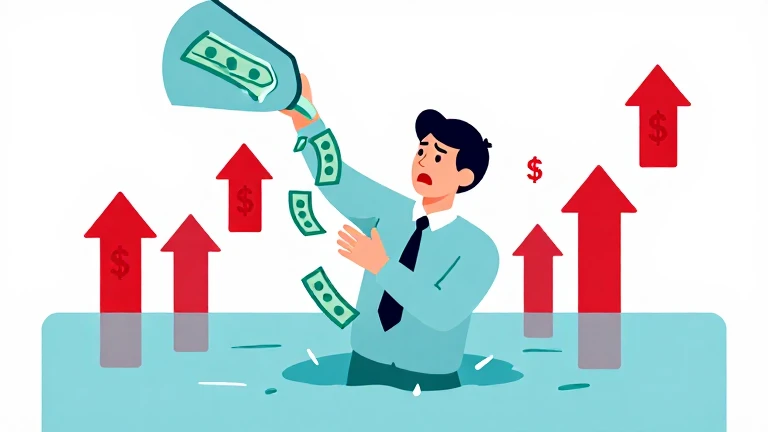
Irrational Escalation occurs when people continue investing time, money, or effort into a failing course of action, even when evidence shows it’s not working. This cognitive bias is also known as the sunk cost fallacy.
1. What Is Irrational Escalation?
- The tendency to persist in a decision or investment despite negative outcomes.
- Often driven by a desire to justify past choices or avoid admitting failure.
- Common in finance, business projects, personal commitments, and games.
2. Why It Happens
- Sunk Cost Fallacy: People feel compelled to "get their money/time/effort back."
- Ego and Pride: Admitting a mistake can feel like personal failure.
- Cognitive Dissonance: Continuing the investment reduces the discomfort of acknowledging a bad decision.
- Social Pressure: Peer or organizational expectations can reinforce commitment.
3. Examples of Irrational Escalation
- Finance: Investors add more money to a losing stock hoping to recover losses.
- Business Projects: Companies pour resources into failing projects instead of cutting losses.
- Gaming & Gambling: Players chase losses by betting more.
- Everyday Life: Continuing a personal commitment (like a bad purchase or relationship) due to past investments.
4. Risks of Irrational Escalation
- Financial Losses: Throwing good money after bad.
- Time Wasted: Continuing ineffective actions delays better alternatives.
- Emotional Stress: Prolonged commitment to failure increases frustration and regret.
- Opportunity Cost: Resources could be better used elsewhere.
5. How to Avoid Irrational Escalation
- Focus on Future Value: Make decisions based on future benefits, not past costs.
- Set Limits in Advance: Predetermine how much time, money, or effort is worth investing.
- Seek Outside Perspectives: Objective feedback can reveal when it’s time to stop.
- Accept Small Losses Early: Cutting losses quickly prevents larger failures later.
- Separate Ego from Decision: Evaluate choices rationally, not emotionally.
Conclusion
Irrational Escalation highlights how people often let past investments dictate future choices. By focusing on future outcomes instead of sunk costs, individuals can make more rational, effective decisions.
Category
Cognitive Bias | Decision-Making | Behavioral Economics
Tags
#IrrationalEscalation
#SunkCostFallacy
#DecisionMaking
#BehavioralEconomics
#CognitiveBias
반응형
'Behavioral Finance' 카테고리의 다른 글
| Ludic Fallacy: Overestimating What You Can Predict (0) | 2026.03.25 |
|---|---|
| Just-World Hypothesis: Believing the World Is Fair (0) | 2026.03.24 |
| Neglect of Sample Size: Why Small Numbers Can Mislead (0) | 2026.03.24 |
| Information Bias: When More Isn’t Always Better (0) | 2026.03.23 |
| Shock Bias: Why We Notice the Dramatic (0) | 2026.03.23 |


