728x90
반응형
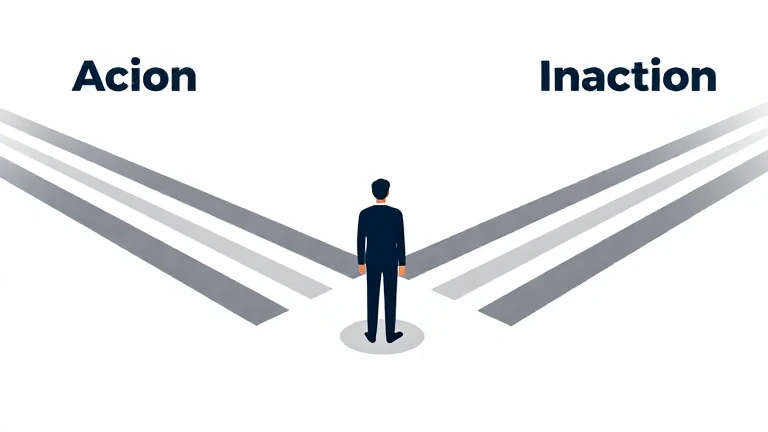
Omission Bias refers to the tendency to judge harmful actions as worse than equally harmful inactions, often leading people to prefer doing nothing—even when action would produce a better outcome.
1. What Is Omission Bias?
- People tend to avoid taking action if it might cause harm.
- Harm caused by action is perceived as more serious than harm caused by inaction.
- This bias can lead to passivity in important decisions.
2. Why It Happens
- Responsibility Aversion: People feel more responsible for harm caused by action.
- Emotional Impact: Active decisions carry stronger feelings of guilt or regret.
- Risk Avoidance: Doing nothing feels psychologically safer.
- Moral Judgment: Actions are judged more harshly than omissions.
3. Examples of Omission Bias
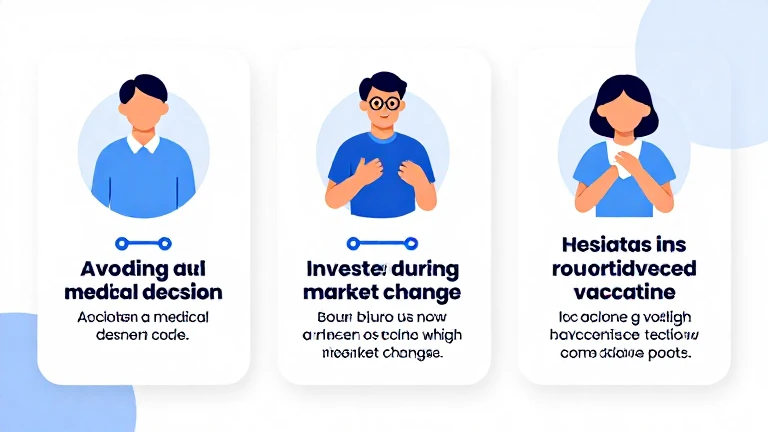
- Medical Decisions: Avoiding treatment due to fear of side effects, even when benefits outweigh risks.
- Investing: Not selling a declining asset to avoid “making a mistake.”
- Public Policy: Leaders avoiding difficult decisions to escape blame.
- Daily Life: Hesitating to act in uncertain situations, even when action could prevent harm.
4. Risks of Omission Bias
- Missed Opportunities: Inaction can lead to worse outcomes than action.
- Hidden Consequences: Doing nothing still has consequences, even if less visible.
- Delayed Decisions: Waiting too long can reduce available options.
- False Safety: Inaction feels safe but may increase long-term risk.
5. How to Overcome Omission Bias
- Evaluate Outcomes Equally: Compare consequences of action vs inaction objectively.
- Acknowledge Responsibility: Inaction is also a decision with consequences.
- Use Data and Probabilities: Focus on expected outcomes, not emotions.
- Predefine Decision Rules: Set criteria in advance to reduce hesitation.
- Reframe Thinking: Ask, “What happens if I do nothing?”
Conclusion
Omission Bias shows how people often prefer inaction to avoid responsibility, even when action would lead to better results.
By recognizing that doing nothing is also a choice, individuals can make more balanced and rational decisions in uncertain situations.
Category
Cognitive Bias | Decision-Making | Behavioral Economics
Tags
#OmissionBias
#CognitiveBias
#DecisionMaking
#BehavioralEconomics
#RiskManagement
반응형
'Behavioral Finance' 카테고리의 다른 글
| Outcome Bias: Judging Decisions by Results (0) | 2026.03.28 |
|---|---|
| Optimism Bias: Why We Expect the Best (0) | 2026.03.27 |
| Observer-Expectancy Effect: How Expectations Shape Outcomes (0) | 2026.03.26 |
| Why Smart Investors Fail to See the Crash: Understanding Normalcy Bias (0) | 2026.03.26 |
| Neglect of Probability: Ignoring the Odds (0) | 2026.03.26 |


