728x90
반응형
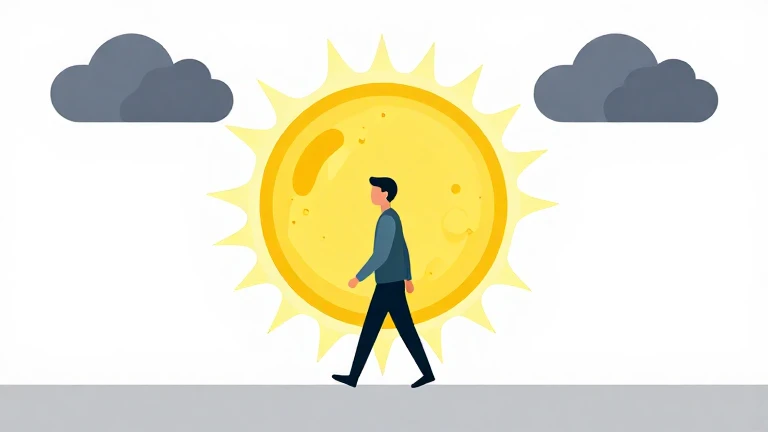
Optimism Bias refers to the tendency for people to overestimate the likelihood of positive outcomes and underestimate the likelihood of negative ones.
1. What Is Optimism Bias?
- People believe good things are more likely to happen to them than to others.
- At the same time, they assume negative events are less likely to affect them.
- This creates a skewed perception of risk and reality.
2. Why It Happens
- Self-Enhancement: People want to maintain a positive self-image.
- Emotional Comfort: Optimism reduces anxiety and fear.
- Selective Thinking: Focusing more on positive possibilities than negative risks.
- Control Illusion: Belief that one can influence outcomes more than is realistic.
3. Examples of Optimism Bias
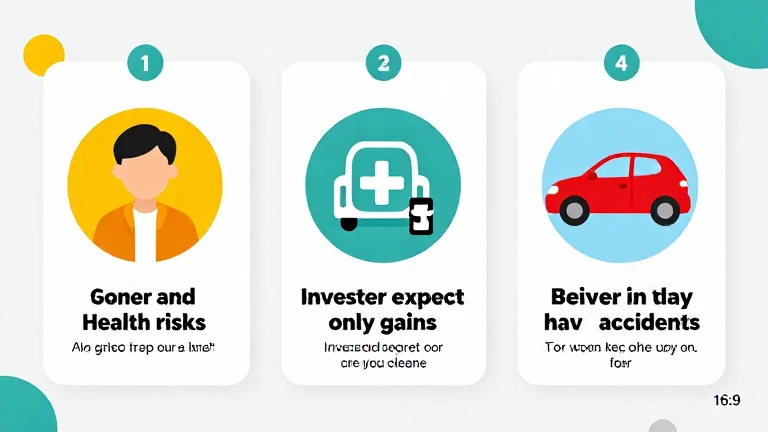
- Health: Believing you’re less likely than others to get sick or experience illness.
- Driving: Assuming you are less likely to be involved in an accident than other drivers.
- Investing: Expecting high returns while underestimating potential losses.
- Business: Entrepreneurs overestimating success rates while ignoring failure risks.
4. Risks of Optimism Bias
- Underestimating Risk: Ignoring potential dangers or downsides.
- Poor Planning: Failing to prepare for worst-case scenarios.
- Financial Losses: Overconfidence in investments or business decisions.
- Health Consequences: Neglecting preventive actions due to perceived invulnerability.
5. How to Manage Optimism Bias
- Consider Worst-Case Scenarios: Plan for possible negative outcomes.
- Use Data and Statistics: Base expectations on evidence, not feelings.
- Balance Optimism with Realism: Stay hopeful but grounded.
- Seek Outside Perspectives: Others may see risks you overlook.
- Pre-Mortem Analysis: Imagine a failure and identify possible causes in advance.
Conclusion
Optimism Bias shows how people tend to see the future through a positive lens, often ignoring real risks. While optimism can motivate action, excessive optimism can lead to poor decisions.
By combining hope with realistic planning, individuals can make smarter, more balanced choices.
Category
Cognitive Bias | Decision-Making | Behavioral Psychology
Tags
#OptimismBias
#CognitiveBias
#DecisionMaking
#BehavioralPsychology
#RiskManagement
반응형
'Behavioral Finance' 카테고리의 다른 글
| Overconfidence Bias: When Confidence Exceeds Reality (0) | 2026.03.28 |
|---|---|
| Outcome Bias: Judging Decisions by Results (0) | 2026.03.28 |
| Omission Bias: Why Doing Nothing Feels Safer (0) | 2026.03.27 |
| Observer-Expectancy Effect: How Expectations Shape Outcomes (0) | 2026.03.26 |
| Why Smart Investors Fail to See the Crash: Understanding Normalcy Bias (0) | 2026.03.26 |


