728x90
반응형
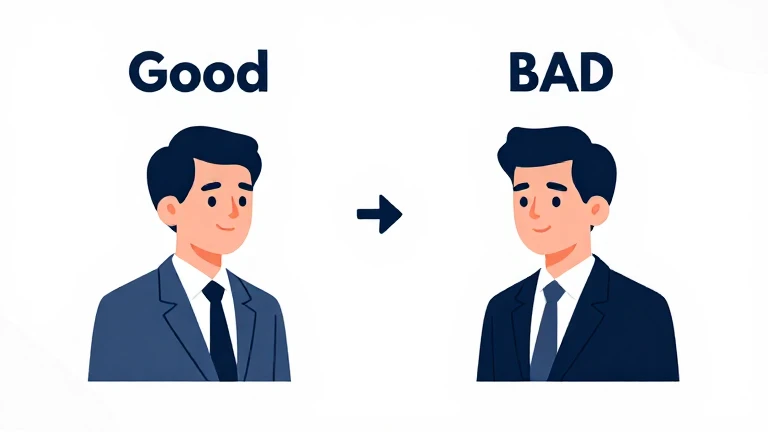
Outcome Bias refers to the tendency to evaluate the quality of a decision based on its outcome rather than the process that led to it.
1. What Is Outcome Bias?
- People judge decisions as good or bad depending on the result, not the reasoning.
- A good outcome can make a poor decision seem smart, and a bad outcome can make a sound decision seem wrong.
- This bias distorts learning and decision-making over time.
2. Why It Happens
- Hindsight Simplicity: Outcomes are easier to evaluate than decision processes.
- Emotional Reaction: Success feels rewarding, failure feels like a mistake.
- Need for Clear Judgments: People prefer simple conclusions over complex analysis.
- Result-Oriented Thinking: Society often rewards outcomes rather than good processes.
3. Examples of Outcome Bias
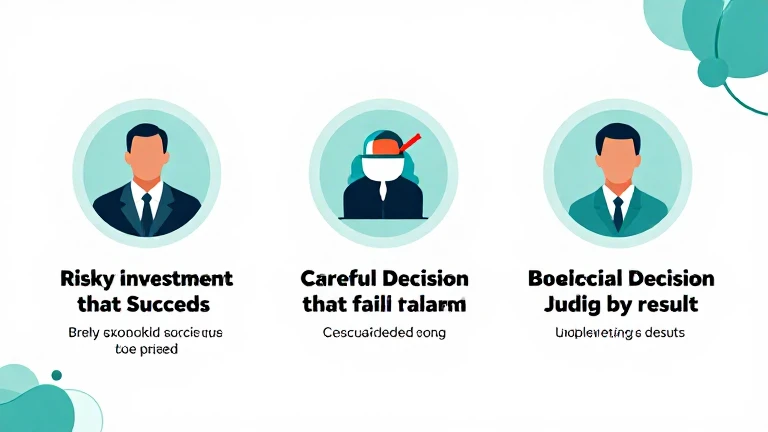
- Investing: A risky trade that succeeds is praised, while a well-researched decision that loses money is criticized.
- Medical Decisions: A correct procedure with a bad outcome may be judged unfairly.
- Business: Leaders are evaluated based on results, even if the process was flawed.
- Daily Life: People judge choices based on luck-driven outcomes rather than decision quality.
4. Risks of Outcome Bias
- Poor Learning: People fail to improve decision-making processes.
- Encouraging Risky Behavior: Good outcomes from bad decisions reinforce bad habits.
- Unfair Judgments: Individuals are judged based on luck rather than skill.
- Inconsistent Decisions: Focus shifts from process to short-term results.
5. How to Avoid Outcome Bias
- Evaluate the Process: Focus on reasoning, data, and logic used.
- Separate Luck from Skill: Recognize the role of randomness.
- Use Decision Journals: Record why decisions were made to review later.
- Think Long-Term: Judge decisions over repeated outcomes, not single events.
- Ask Better Questions: “Was this a good decision given the information at the time?”
Conclusion
Outcome Bias shows how people often confuse results with decision quality. While outcomes matter, they don’t always reflect whether a decision was sound.
By focusing on process, logic, and consistency, individuals can make better decisions and learn more effectively over time.
Category
Cognitive Bias | Decision-Making | Behavioral Economics
Tags
#OutcomeBias
#CognitiveBias
#DecisionMaking
#BehavioralEconomics
#CriticalThinking
반응형
'Behavioral Finance' 카테고리의 다른 글
| Pareidolia: Seeing Meaning Where There Is None (0) | 2026.03.29 |
|---|---|
| Overconfidence Bias: When Confidence Exceeds Reality (0) | 2026.03.28 |
| Optimism Bias: Why We Expect the Best (0) | 2026.03.27 |
| Omission Bias: Why Doing Nothing Feels Safer (0) | 2026.03.27 |
| Observer-Expectancy Effect: How Expectations Shape Outcomes (0) | 2026.03.26 |


