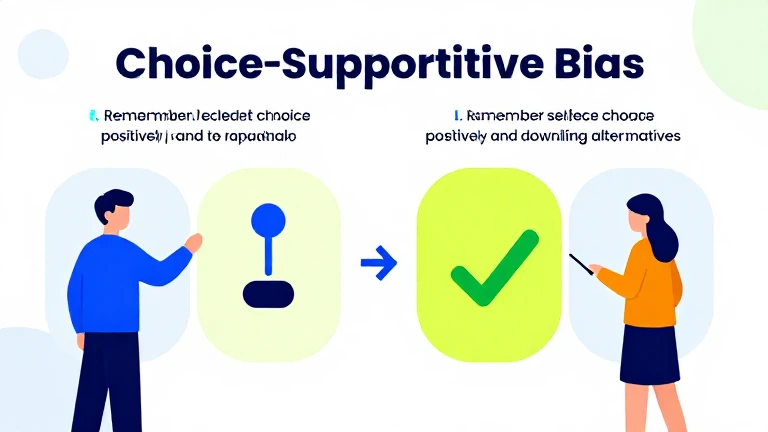
People like to believe they make good decisions. After choosing between options, individuals often remember their choice more positively than it actually was while downplaying the advantages of the alternatives. This psychological tendency is known as Choice-Supportive Bias.
Choice-Supportive Bias occurs when people retroactively attribute more positive qualities to the option they selected while minimizing the value of the options they rejected. This bias helps people feel confident about their decisions, but it can also distort memory and judgment.
1. What Is Choice-Supportive Bias?
Choice-Supportive Bias refers to the tendency to re-evaluate past decisions in a way that makes the chosen option appear better than it originally seemed.
After making a decision, individuals may:
- Remember the selected option as having more advantages
- Recall rejected alternatives as having more flaws
- Forget negative aspects of their chosen option
This bias often occurs because people want to maintain consistency between their choices and their self-image.
2. Why Choice-Supportive Bias Happens
- Cognitive Dissonance Reduction: Reframing the choice as the best option reduces internal conflict and regret.
- Memory Reconstruction: Human memory is imperfect; recalling past decisions may unintentionally support the chosen option.
- Desire for Consistency: People prefer to believe their past decisions were rational and well thought out.
3. Examples of Choice-Supportive Bias
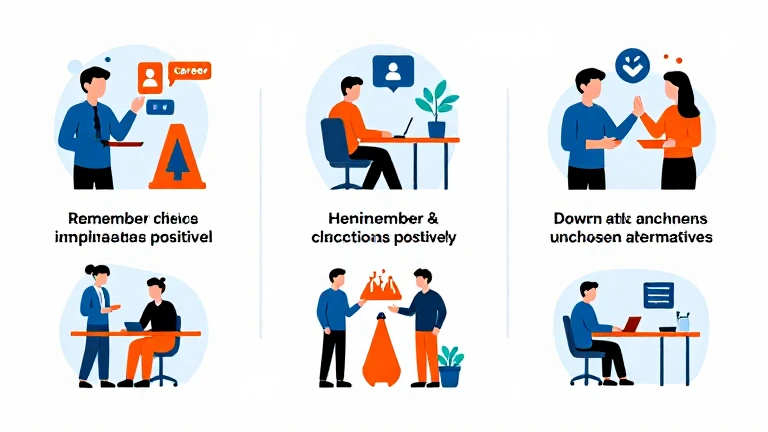
- Consumer Purchases: Emphasizing strengths of a bought smartphone while exaggerating flaws of competing models.
- Career Decisions: Focusing on benefits of the chosen career path while minimizing advantages of other options.
- Investing Decisions: Remembering purchased stocks as stronger and exaggerating weaknesses of stocks not bought.
4. Risks of Choice-Supportive Bias
- Ignoring Mistakes: Overlooking errors prevents learning.
- Overconfidence: Justifying past choices can create excessive confidence.
- Resistance to New Information: Evidence suggesting a choice was suboptimal may be dismissed.
5. How to Reduce Choice-Supportive Bias
- Review decisions with data: Compare outcomes with objective information.
- Keep decision records: Write down reasons for a choice to prevent memory distortion.
- Remain open to learning: Accept that some decisions are imperfect.
- Evaluate alternatives honestly: Consider what other options might have offered.
Conclusion
Choice-Supportive Bias highlights how people tend to remember their decisions more favorably than they actually were. While this tendency can protect self-confidence, it may also prevent learning from past experiences.
By reviewing decisions objectively and considering alternative perspectives, individuals can improve judgment and strengthen decision-making skills over time.
Category
Finance / Investment | Behavioral Psychology
Tags
#InvestmentPsychology
#BehavioralFinance
#ChoiceSupportiveBias
#CognitiveBias
#DecisionMaking
#StockMarketPsychology
#InvestorMindset
#CriticalThinking
#MemoryBias
#TradingPsychology


