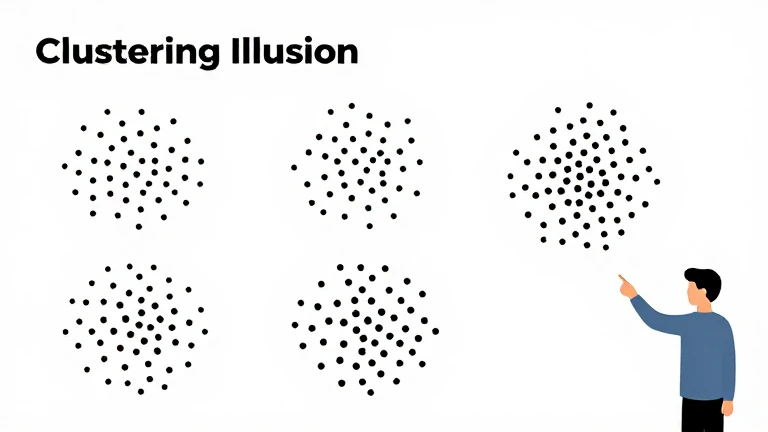
Humans naturally look for patterns in the world around them. Recognizing patterns can help us understand complex situations and make predictions. However, this tendency can sometimes lead to mistaken conclusions. One cognitive bias that illustrates this is the Clustering Illusion.
The Clustering Illusion occurs when people perceive patterns or clusters in random data, even when no meaningful pattern actually exists. This bias can influence how individuals interpret events in finance, gambling, statistics, and everyday life.
1. What Is the Clustering Illusion?
The Clustering Illusion refers to the tendency to interpret random events as meaningful patterns or trends.
Random processes naturally produce clusters or streaks. However, when people observe these clusters, they often assume that something significant caused them.
In reality, randomness frequently creates uneven distributions that may appear structured even when they are not.
2. Why the Clustering Illusion Happens
- Pattern-Seeking Behavior: Humans evolved to detect patterns for learning and survival.
- Discomfort with Randomness: Random events can feel unpredictable, prompting explanations.
- Selective Attention: People notice striking clusters while ignoring where no pattern appears.
3. Examples of the Clustering Illusion
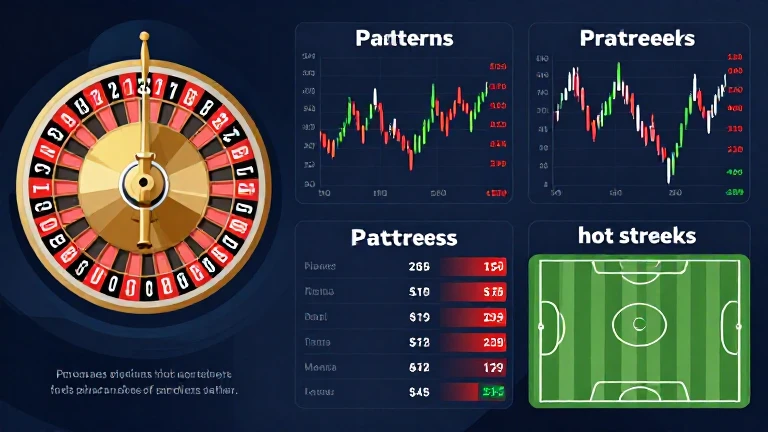
- Gambling: Repeated numbers in roulette or lottery may seem meaningful, but outcomes are independent.
- Stock Market Trends: Short-term price movements may appear as patterns, though they may be random fluctuations.
- Sports Performance: Athletes’ “hot streaks” can be natural variance, not a consistent pattern.
4. Risks of the Clustering Illusion
- False Predictions: Decisions based on non-existent patterns can be wrong.
- Overconfidence in Strategies: Perceived patterns may encourage risky actions.
- Misinterpretation of Data: Treating random clusters as trends can distort understanding.
5. How to Avoid the Clustering Illusion
- Understand randomness: Recognize that clusters can appear naturally.
- Analyze larger datasets: Small samples can exaggerate patterns.
- Use statistical methods: Verify if patterns are significant.
- Question apparent trends: Consider whether outcomes could occur by chance.
Conclusion
The Clustering Illusion shows how people often see meaningful patterns in random events. Pattern recognition is important but can lead to misinterpretation.
By understanding randomness and applying statistical thinking, individuals can make more accurate judgments and better decisions.
Category
Finance / Investment | Behavioral Psychology
Tags
#InvestmentPsychology
#BehavioralFinance
#ClusteringIllusion
#CognitiveBias
#DecisionMaking
#StockMarketPsychology
#InvestorMindset
#StatisticalThinking
#RandomnessAwareness
#TradingPsychology
'Behavioral Finance' 카테고리의 다른 글
| Congruence Bias: Why We Test Ideas in Ways That Confirm Them (0) | 2026.03.13 |
|---|---|
| Confirmation Bias: Why We Prefer Information That Supports Our Beliefs (0) | 2026.03.13 |
| Choice-Supportive Bias: Why We Defend Our Past Decisions (0) | 2026.03.12 |
| Bias Blind Spot: Why We Notice Bias in Others but Not in Ourselves (0) | 2026.03.12 |
| Belief Bias: How Personal Beliefs Influence Logical Thinking (0) | 2026.03.12 |


